
Thotlakonda is a place for looking closely at foundations, stone and the shape of a former settlement. It is not a complete temple complex standing as it once did. The hilltop remains make more sense when you look for the relationship between worship spaces, living areas and the rock-cut water cisterns.
Before you go
| Visit | Details |
|---|---|
| Where | A hill along the coastal route north of central Visakhapatnam. |
| Visit | An archaeological site associated with Buddhist monastic life. |
| Look for | Stupa remains, monastic structures and rock-cut cisterns. |
| Terrain | An exposed outdoor site with uneven ground. |
| Check | Current entry, opening arrangements and any conservation closures. |
Read the site through its different spaces
Begin with any interpretation boards available on your visit. Excavation records described by the district include a main stupa, smaller votive stupas, viharas and congregational spaces. Low remains can be difficult to distinguish without that context, so do not hurry from one outline to the next.
- Stupas: notice how smaller structures relate to the principal religious space.
- Living spaces: consider where a community could meet, rest and carry out daily tasks.
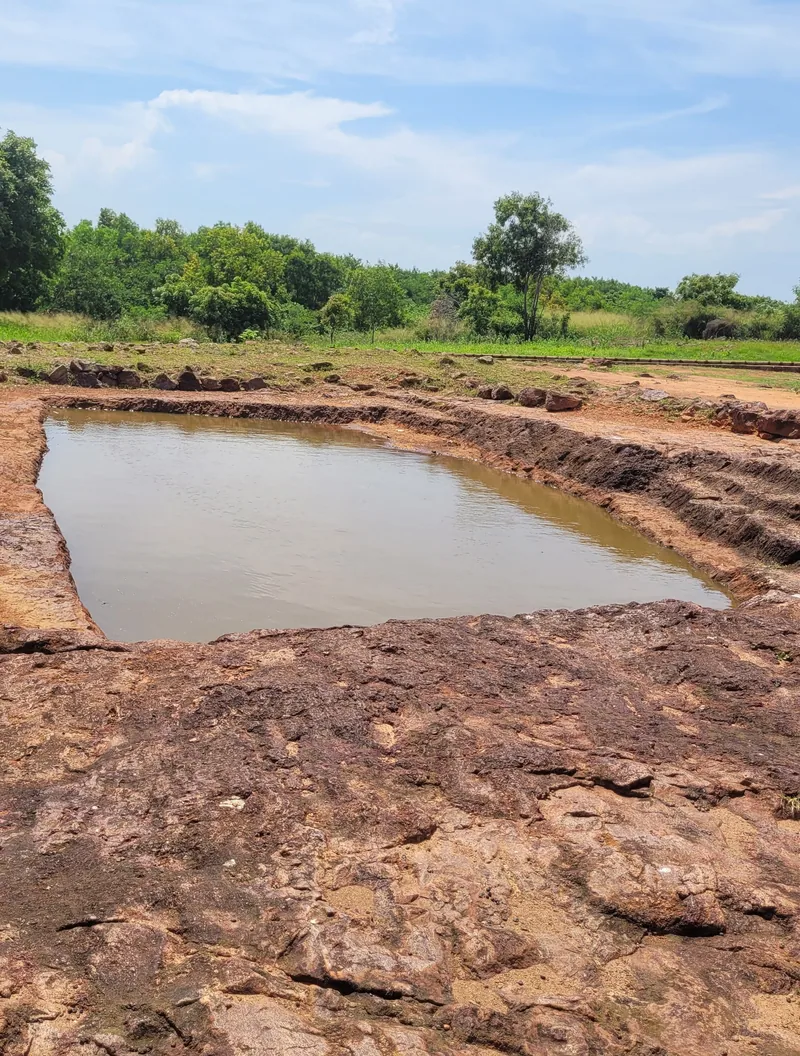
- Water cisterns: look at the cut rock and steps from a safe distance without entering them.
The practical side of a hilltop monastery
The district account connects the name Thotlakonda with rock-cut troughs or cisterns in the bedrock. Water storage is a useful way to understand the site: a hill with a sea view also needed a way to support people living there.
That is a different question from the one you ask at a beach viewpoint. Spend a moment thinking about the use of each space rather than expecting ornate, intact buildings at every turn.
Check availability
Select a bike and your dates to send a WhatsApp enquiry. We will confirm availability and booking details with you.
Protect the remains while you explore
Wear shoes with grip, bring water and plan for sun exposure. Do not climb the structures, enter cisterns or move stones for a better photograph. Stay on authorised paths and respect areas closed for conservation.
Shade and facilities should not be assumed across the whole site. If heat or uneven ground is a concern, choose a shorter visit and ask about current access before travelling.
Choose the archaeological site pin
Use the destination for the Buddhist site rather than a similarly named coastal viewpoint. Check the present entry road and parking arrangements. If you ride, stop only in permitted areas; coastal bends are not photo parking.
Allow time to walk after arrival. The drive up is not the whole visit, and a rushed circuit makes the low archaeological remains harder to understand.
Combine it with one coastal place
Rushikonda Beach offers time at sea level after the hill. A longer outing can continue towards Bheemili, whose port history adds a different period to the day. Leave enough time for the site itself before adding both.